
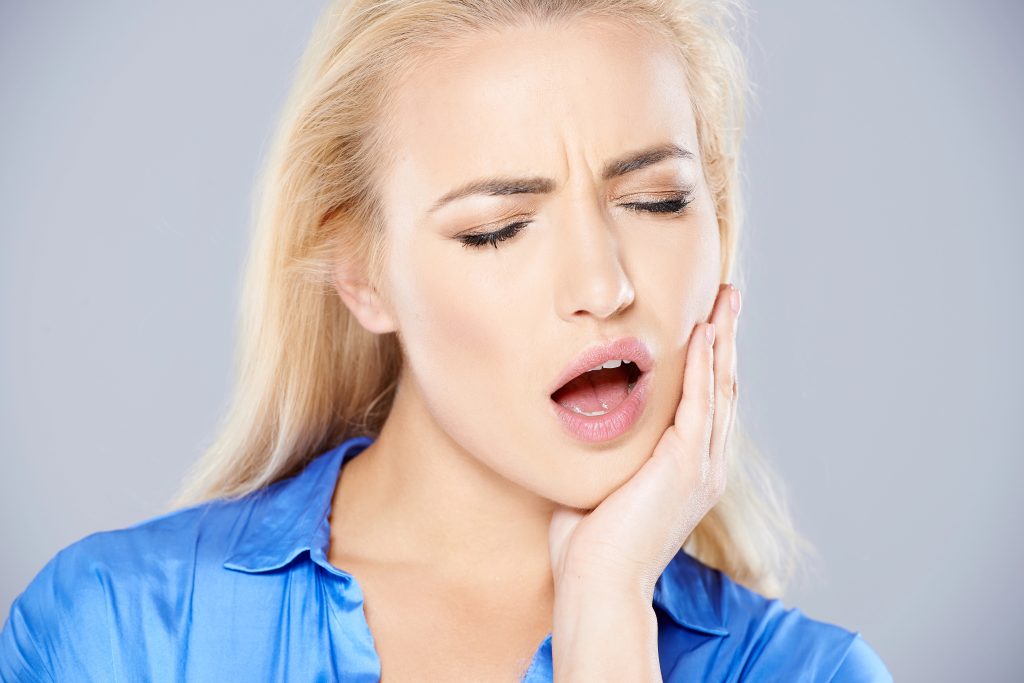
If your jaw clicks when you open your mouth, chew, or yawn, you may wonder if it is normal, or if it is a problem. Sometimes jaw clicking is nothing to be concerned about. Other times, it is a sign that something in the jaw joint needs attention.
Here are five of the most common reasons jaw clicking happens, and what it might mean for you.
1. TMJ Strain
The temporomandibular joint, or TMJ, connects your lower jaw to your skull on both sides of your face. It is a complex joint that allows your mouth to open, close, and move side to side.
When the tissues around this joint become strained or irritated, clicking is a common result. TMJ strain can develop from stress, overuse, or poor jaw positioning over time, and is referred to as TMD (temporomandibular joint disorder).
Many people are not even aware their jaw is under pressure until the clicking starts. Pain from TMD can often be managed with stress reduction techniques or injections such as Botox to relax the muscles.
2. Teeth Grinding
Grinding your teeth, especially at night, puts significant stress on the jaw joint and surrounding muscles. Over time, that repeated pressure can wear down the joint and disrupt how it moves, which often leads to clicking or popping sounds.
If you wake up with jaw soreness, headaches, or worn-down teeth, grinding may be playing a role. A custom nightguard can help protect your teeth and relieve some of that pressure on the joint.
3. Bite Misalignment
When your upper and lower teeth do not come together properly, it changes how your jaw functions with every bite. The joint has to compensate for the imbalance, which can cause it to shift or snap as it moves.
Bite issues can develop gradually or may have been present for years without causing noticeable symptoms. Addressing alignment with orthodontics or other dental treatment can sometimes reduce or eliminate clicking.
4. Arthritis or Joint Wear
Like any joint in the body, the jaw joint can be affected by arthritis. Osteoarthritis causes the cartilage in the joint to wear down over time, leading to rougher movement and clicking or grinding sounds.
This type of clicking tends to develop slowly and may worsen with age. It is more likely to come with stiffness or aching than other causes. Your dentist can help determine whether joint wear is a factor and recommend appropriate next steps.
5. Injury or Inflammation
A jaw injury, even a minor one from impact or overextension, can cause swelling and inflammation inside the joint. That inflammation changes the way the joint moves and can produce clicking or popping during normal jaw motion.
Inflammation can also develop without a specific injury, sometimes from repeated strain or underlying health conditions. It is worth noting if clicking develops suddenly or follows an incident involving your jaw, head, or neck.
When Should You Worry About Jaw Clicking?
Jaw clicking on its own is not always a reason to worry. Some people experience occasional clicking with no pain and no impact on daily function.
You should schedule an evaluation if your clicking is accompanied by:
- Pain or discomfort in the jaw, face, or ear
- Difficulty opening or closing your mouth fully
- A feeling of locking or catching in the jaw
- Frequent headaches or neck soreness
- Trouble chewing comfortably
If jaw clicking is something you have noticed recently, or if it has been going on for a while and starting to cause discomfort, a checkup with your dentist is a good place to start. If it is a problem, the sooner you address it, the more options you typically have. Contact our office to schedule an appointment and get some answers!