
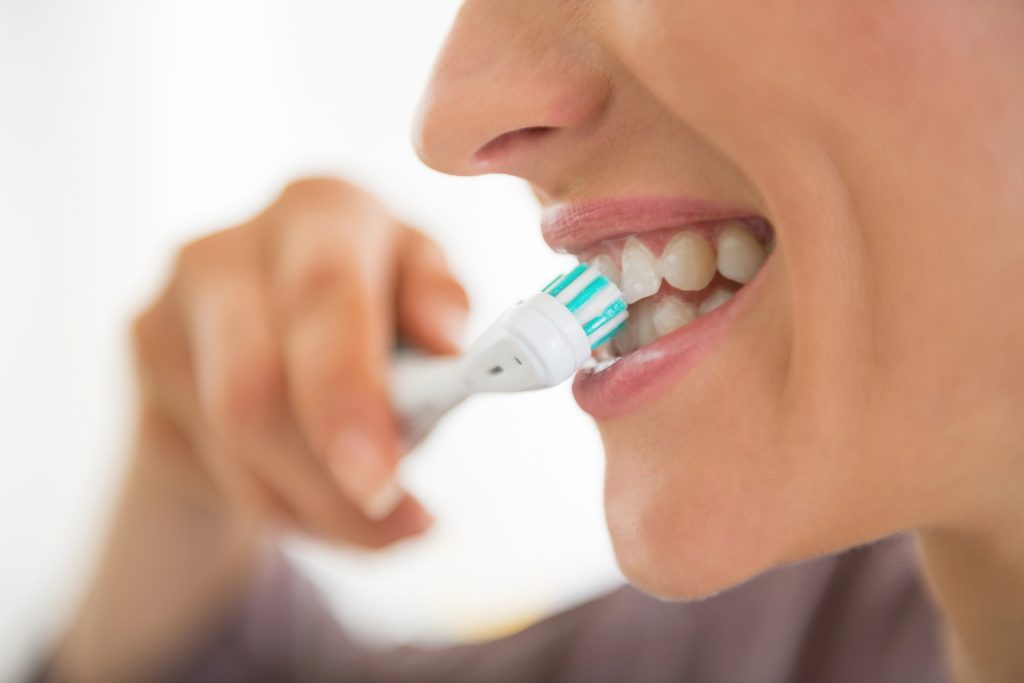
Most people assume that brushing immediately after a meal is one of the best things they can do for their teeth. After all, removing food and bacteria as quickly as possible seems like the logical approach.
However, the timing of brushing is something that is frequently misunderstood, and reaching for your toothbrush too soon after eating can actually cause damage that outweighs the benefit.
What Eating Does to Your Mouth
When you consume food or beverages, especially if they are high in sugar or carbohydrates, the bacteria in your mouth feed on those sugars and produce acid as a byproduct. That acid immediately begins attacking tooth enamel, and can continue to do so for 20 minutes or more after your last bite.
Your mouth does have a natural defense, however. Saliva works to neutralize that acid and wash away food debris, gradually returning your mouth to a healthy pH level. Giving saliva adequate time to do this work is an essential part of protecting your enamel. And it is exactly why brushing too soon can backfire.
The Problem with Brushing Too Soon
When you consume foods and beverages (especially acidic ones like citrus fruits, tomatoes, coffee, soda, or wine), the acid temporarily softens tooth enamel. Brushing while enamel is in this weakened state does not just clean it – it erodes it. Rather than protecting your teeth, you are accelerating the very damage you are trying to prevent.
While tooth enamel is the hardest substance in the human body, it cannot regenerate once it is lost. Erosion that accumulates over time can lead to a range of serious dental issues, including:
- Increased sensitivity: As enamel thins, the underlying dentin becomes exposed, making teeth more reactive to hot, cold, and sweet foods and beverages.
- Greater susceptibility to decay: Without a strong enamel layer, bacteria have an easier time penetrating the tooth and causing cavities.
- Discoloration: Enamel is white, while the dentin beneath it is yellow. As enamel wears away, teeth can take on a duller, more yellow appearance that whitening treatments cannot fully correct.
The American Dental Association recommends waiting at least 30 to 60 minutes after eating before brushing. This window gives saliva the time it needs to neutralize acid and allows softened enamel to reharden before it is subjected to the friction of your toothbrush’s bristles.
In the meantime, there are steps you can take to support your oral health while you wait:
- Rinse with water: Rinsing your mouth immediately after eating helps neutralize acid and dislodge food particles without putting softened enamel at risk.
- Chew sugar-free gum: Gum containing xylitol stimulates saliva production, which speeds up the neutralization process and helps remineralize enamel.
- Avoid additional snacking: Eating again before your mouth has recovered from the previous acid attack compounds the damage and extends the window of vulnerability.
When and How You Should Be Brushing
Brushing twice daily remains the standard recommendation. Nighttime brushing is particularly important. Saliva production slows significantly during sleep, which means the bacteria in your mouth have far more opportunity to cause damage overnight without saliva’s protective effect. Failing to brush as night allows plaque to accumulate, acid to go unchecked, and enamel to weaken through the night.
Each session should last a full two minutes, covering all tooth surfaces and paying careful attention to the gumline where plaque tends to build up. Flossing at least once a day is equally important, as it removes plaque and debris from between teeth where a toothbrush cannot reach. Using a fluoride toothpaste provides additional protection by helping to strengthen and remineralize enamel with every brush.
Protect Your Smile with the Right Routine
If you have questions about your brushing routine or want personalized guidance on building habits that support a healthy smile, we encourage you to contact our office and schedule an appointment!