
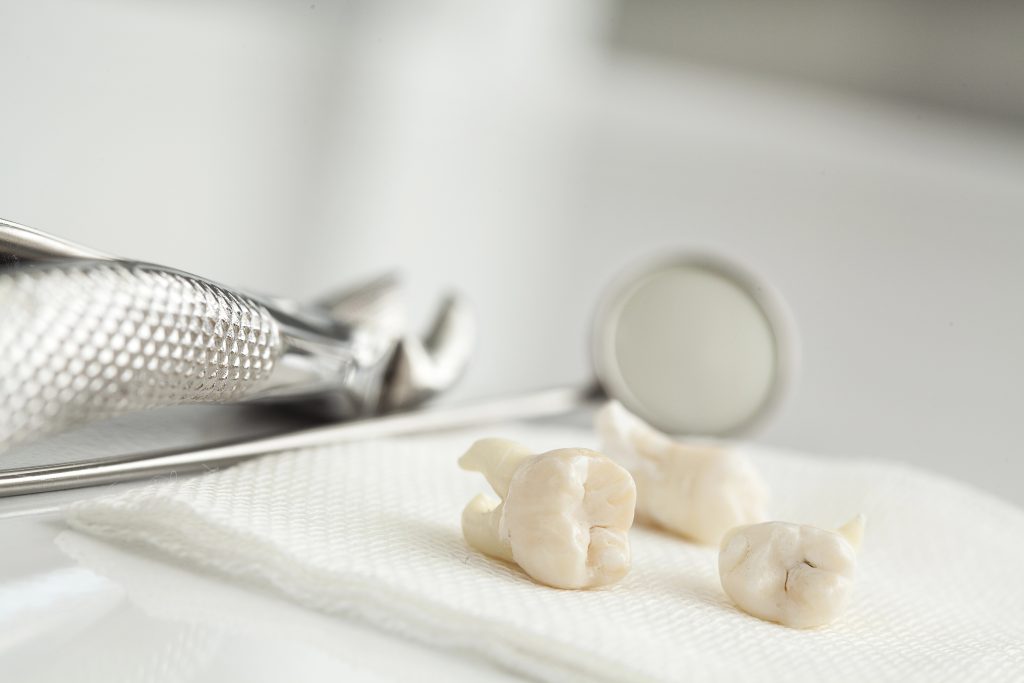
Having a tooth extracted is a common and safe dental procedure. But we understand recovery can be a difficult time, and you may have questions about what you can and should eat in the days following your extraction.
After the procedure, your focus should be primarily on choosing foods that protect the sensitive extraction site and avoid creating a dry socket. But, as always, it is a good idea to also seek healthy options that will aid your fast recovery.
Why Worry About Your Post-Extraction Diet
After a tooth is removed, the area may be tender and swollen. In addition, a blood clot forms in the empty socket where the tooth sat. This clot is a natural part of the healing process, protecting the underlying bone and nerves. Dislodging this clot can lead to a painful condition known as dry socket, which can delay healing.
Your diet in the days following the procedure can help keep this clot in place and promote recovery. Choose soft, nutritious foods that reduce the need for chewing and that allow you to avoid hard or sharp foods that could irritate the site.
The First 1-2 Days: Soft Foods Only
For the first 24 to 48 hours or so after your extraction, your diet should consist exclusively of liquids and very soft, smooth foods that require no chewing. As we mentioned, the site and your jaw will likely be sore, and sticking to these options will help you stay comfortable.
- Smoothies and Milkshakes: These are easy options, but be sure you do not use a straw, as the suction can dislodge the blood clot. Use a spoon instead.
- Yogurt or Pudding: Choose smooth varieties without any chunks of fruit, granola, or nuts.
- Applesauce and Jello: These gentle, easy-to-eat options require no chewing and can be satisfying while providing energy and nutrition.
Blended Soups: Creamy soups like tomato or pumpkin are good choices. Make sure they are served lukewarm or cooled, as hot temperatures can irritate the site.
What’s Next?
As you begin to feel more comfortable, you can start to introduce foods with more substance, but they should still be soft and easy to chew for at least a few days to a week after your procedure. Continue to avoid anything that is hard, crunchy, or chewy.
- Mashed Potatoes: A classic comfort food that is perfect for post-extraction recovery.
- Scrambled Eggs: These are soft and a good source of protein, which is helpful for healing.
- Oatmeal or Cream of Wheat: Prepare these so they are smooth and not overly hot.
- Soft Cooked Fish: Flaky fish like cod or tilapia can be a good option as they fall apart easily.
- Cottage Cheese: This soft food is high in protein and easy to eat.
- Refried Beans: Be sure they are smooth and not too hot.
Listen to your body. If you experience any pain while eating, revert to softer foods. The goal is to eat a nutritious diet without causing any discomfort or complications at the extraction site.
What to Avoid After Extraction
Foods and habits can interfere with the healing process and should be avoided until your dentist advises otherwise, typically for at least one to two weeks.
- Hard and Crunchy Foods: Items like chips, nuts, popcorn, and hard candies can easily damage the tender gums or get stuck in the socket.
- Spicy and Acidic Foods: Spices and citrus can cause significant irritation and pain at the extraction site.
- Chewy Foods: Foods like steak, hard rolls, and gummy candies require a lot of chewing, which can put pressure on the area and dislodge the blood clot.
- Foods with Small Seeds or Grains: Berries with small seeds, sesame seeds, and other small grains can get trapped in the socket, leading to infection.
- Alcoholic Beverages: Alcohol can interfere with the healing process and may react negatively with any pain medication you have been prescribed.
- Straws: Continue to avoid using straws for at least a full week.
- Smoking or Vaping: In addition to creating a sucking motion, smoking or vaping can also slow healing and increase the risk of complications.
When to Contact Our Office
Following these dietary guidelines, along with any other post-procedure instructions you receive, will support a smooth and speedy recovery.
If you have any questions at all, or if you experience severe pain, bleeding, or swelling that worsens after a few days, please contact our office immediately.